Michael Cao’s Remarkable Journey
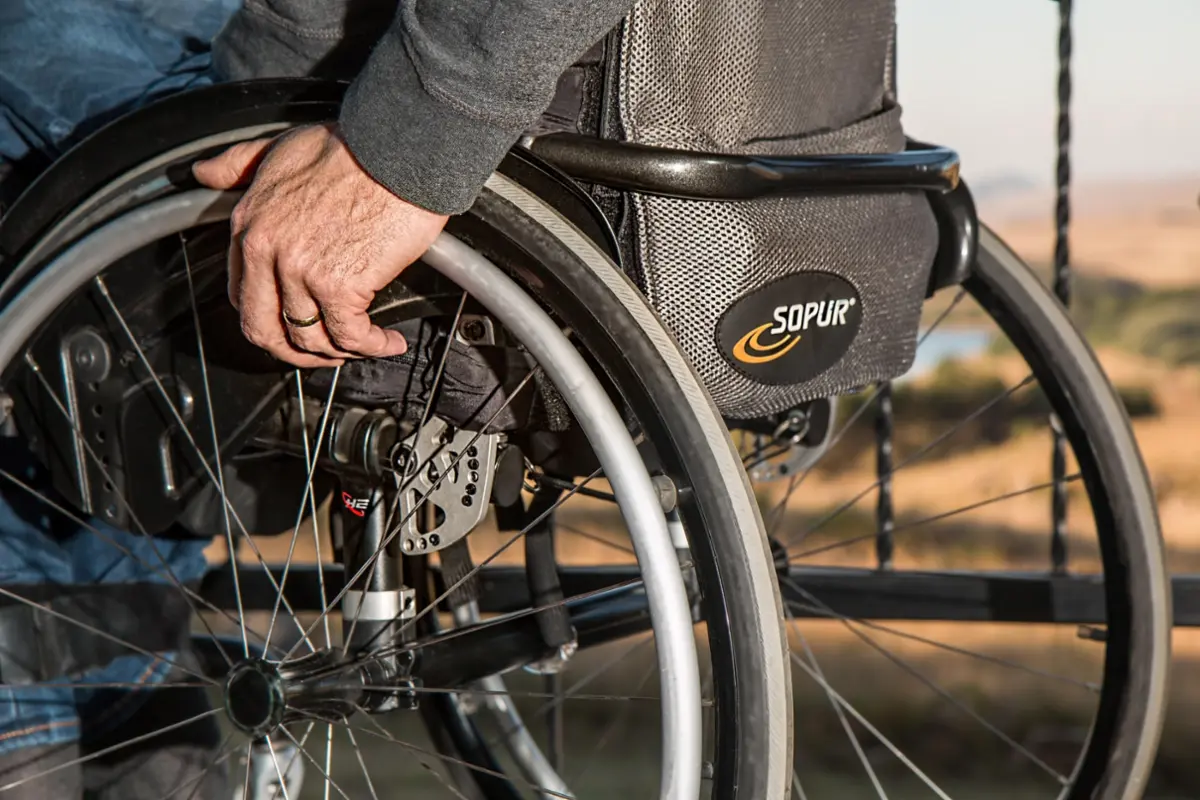
Michael Cao’s story is a testament to resilience and determination. Born in Vietnam, Michael contracted polio at the tender age of one, resulting in a lifelong disability. Despite this early setback, he nurtured entrepreneurial aspirations and refused to let his disability diminish his dreams. At 40, Michael embarked on his entrepreneurial journey, founding a startup and proving that it is never too late to pursue one’s dreams. His path was fraught with challenges, including physical limitations, societal misconceptions about the capabilities of disabled individuals, and potential barriers to financing—a common hurdle for many entrepreneurs with disabilities. He likely faced accessibility issues in various aspects of his business operations.
Michael’s success is a beacon of hope for others in similar circumstances. His persistence and determination allowed him to overcome the obstacles in his path. He likely adapted his business practices to accommodate his physical limitations and possibly utilized technology or assistive devices to manage his business effectively. Additionally, he may have sought out specific resources or support networks tailored for disabled entrepreneurs.
Today, Michael makes a living from his startup, which is a testament to his hard work and ingenuity. His story exemplifies the entrepreneurial spirit, proving that with the right approach and mindset, individuals with disabilities can achieve significant success in the business world. Michael’s journey inspires, showing that disabilities need not be a barrier to business success and highlighting the potential for entrepreneurial achievement despite significant challenges. For more information, you can visit this source.
Mizaru
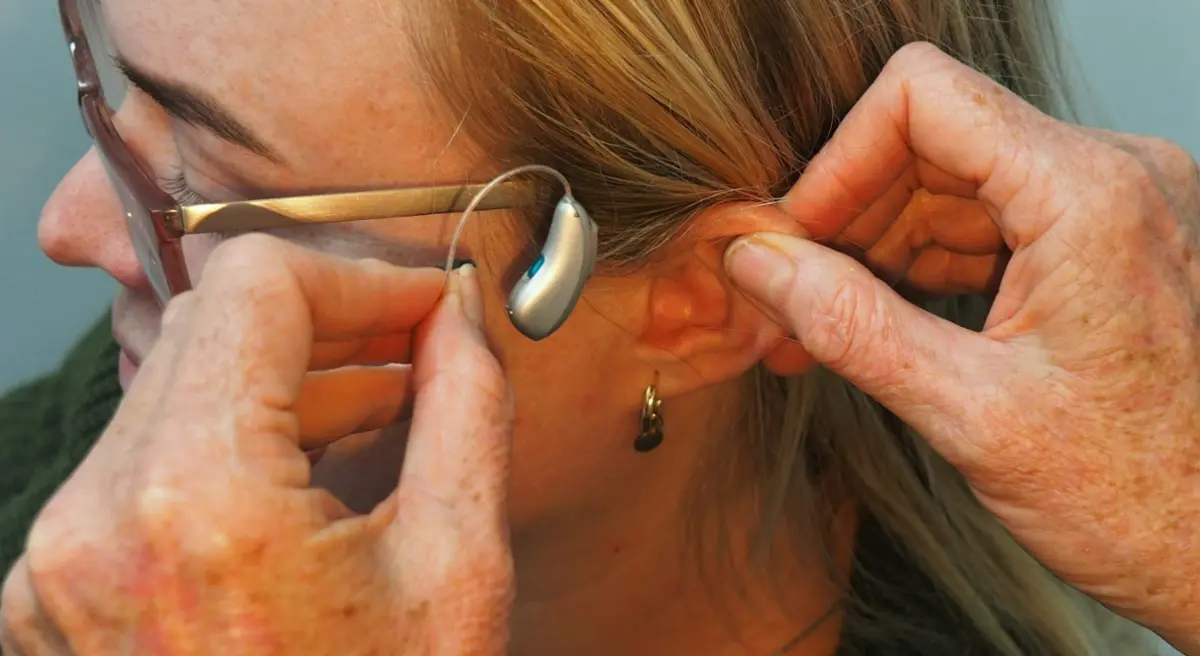
Mizaru, founded in 2021, is an innovative online platform that aims to revolutionize how organizations provide accommodations for deaf, hard-of-hearing, and deaf-blind individuals. The platform connects organizations with qualified disability support workers, making it easier to offer inclusive services. Mizaru addresses a critical need for tailored support by specializing in services for these communities. The company simplifies the process of providing accommodations and managing disability support workforces, helping businesses efficiently create inclusive environments.
The platform features a user-friendly interface streamlining finding and managing disability support workers. Organizations can quickly connect with professionals with the necessary skills to meet their client’s needs, ensuring that accommodations are provided smoothly and effectively. Mizaru aims to bridge the gap between organizations and disability support professionals, fostering a more inclusive and accessible environment for everyone involved. For more information, you can visit their website.
Be My Eyes
Be My Eyes is a revolutionary mobile app founded in 2015 that connects blind and low-vision individuals with sighted volunteers and company representatives through live video calls. This free app allows visually impaired users to receive real-time visual assistance for daily tasks, such as reading labels, identifying objects, or navigating unfamiliar surroundings. The app’s extensive reach is evident as it supports over 180 languages and has a global community of over 6 million volunteers, making it one of the largest micro-volunteering platforms worldwide. Through its innovative approach, Be My Eyes leverages technology and human connection to enhance accessibility and independence for visually impaired individuals.
The app also features a specialized help platform that enables users to connect with company representatives for professional assistance. This feature ensures that visually impaired users receive expert support from partnering companies, enhancing the app’s utility and effectiveness. Be My Eyes’ success is a testament to its impactful design, which harnesses the power of community to address accessibility challenges. For more information about Be My Eyes, visit their website.
Stardust Zone
Stardust Zone, founded in 2023, promotes neurodiversity in the workplace through innovative, technology-driven solutions. They aim to foster inclusion and equity for neurodivergent individuals within the labor market and professional education sectors. To achieve this, Stardust Zone offers a comprehensive suite of services, including digital corporate education on neurodiversity, job matchmaking services, and workshops focused on Diversity, Equity, Inclusion, and Accessibility (DEIA) for neurodivergent people. These offerings are designed to help organizations create more inclusive work environments and better support their neurodivergent employees.
Stardust Zone’s impact extends to various stakeholders, including private organizations, public institutions, and educational institutions. They provide support materials, events, training, and literacy programs on neurodiversity and neurodivergence, ensuring that all involved parties are well-equipped to foster inclusive environments. By connecting neurodivergent talents with organizations and providing tailored education and consultancy services, Stardust Zone aims to bridge gaps and drive meaningful change in workplace inclusion practices. You can visit their website for more information about their offerings and initiatives.
Biped
Biped is an innovative company focused on enhancing mobility and navigation for blind and visually impaired individuals. Their flagship product, NOA, is an intelligent harness that leverages artificial intelligence and self-driving car technology to guide users and detect obstacles. Worn on the shoulders, NOA employs 3D cameras to continuously scan the environment, providing real-time obstacle detection and collision prediction. The device also offers GPS navigation with precise turn-by-turn instructions and audio feedback delivered through bone-conduction headphones, allowing users to stay aware of their surroundings without blocking their ears.
Developed in collaboration with the Honda Research Institute, Biped’s NOA harness has undergone extensive beta testing with over 250 users across multiple countries. The device complements traditional mobility aids like white canes and guide dogs, enhancing the user’s safety and independence. The company has worked closely with orientation and mobility trainers and low-vision experts to ensure that NOA meets the needs of its users. For more information about Biped and its innovative solutions, visit its website.
In conclusion, the intersection of technology and accessibility is a powerful force in transforming the lives of individuals with disabilities. From Michael Cao’s inspiring entrepreneurial journey to the innovative solutions provided by startups like Mizaru, Be My Eyes, Stardust Zone, and Biped, technology can break down barriers and create opportunities for greater independence, inclusion, and participation. These initiatives not only address the unique challenges faced by people with disabilities but also pave the way for a more inclusive society where everyone can thrive. The ongoing support from foundations and organizations in these technological advancements is crucial in driving meaningful change and ensuring accessibility is at the forefront of innovation. By embracing and promoting these technologies, we can work towards a future where disabilities do not limit potential and everyone has the opportunity to live a whole and engaged life.